
How to Design a Luxury Wine Cellar: Why It Must Be Planned Before Construction
For the avid oenophile, a world class wine collection is a lifelong pursuit that deserves to be celebrated. In today’s high end custom builds, the wine cellar has evolved from a purely functional storage closet into a breathtaking architectural centerpiece.
Quick Answer for Custom Home Builders: Designing a luxury wine cellar requires far more than installing wine racks.To properly protect fine wine, the space must maintain a constant 55°F and 60-70% humidity. Achieving this requires structural framing for heavy vapor barriers, closed-cell foam insulation, and dedicated commercial grade HVAC systems.A true luxury wine cellar must be planned during the architectural blueprint phase, long before construction begins.
At Fratantoni Interior Designers, we specialize in transforming the traditional wine cellar into a bespoke, experiential tasting room. Here is how we craft custom wine architecture that protects your investment while serving as the ultimate entertaining space.
The Hidden Engineering: Climate and Architecture
A luxury wine cellar is a living, breathing ecosystem. Long before we select the mahogany racking or the limestone flooring, the space must be meticulously engineered to maintain a strict, unyielding climate.
Waiting until the drywall is up to plan your cellar often leads to exposed ductwork or compromised climate control. We collaborate with our architectural and building teams during the initial drafting phase to integrate these essential structural elements:
- Closed-Cell Foam Insulation: Prevents temperature fluctuations from the surrounding home.
- Specialized Vapor Barriers: Blocks ambient moisture from entering and warping the custom woodwork.
- Dedicated Wine Cooling Units: Commercial-grade HVAC systems hidden entirely from view before the foundation is poured.
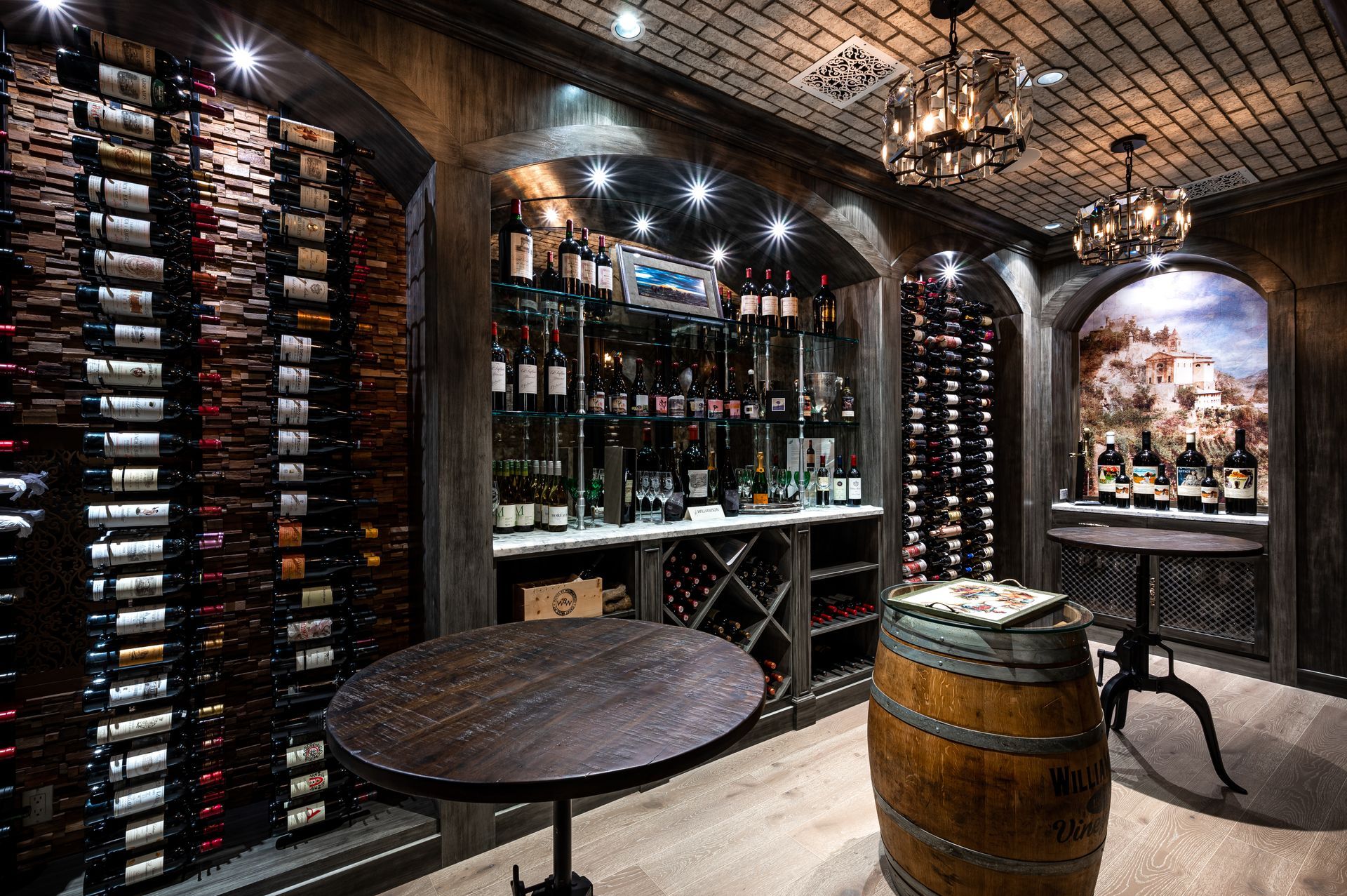
Curating Authentic Materials: Stone, Iron, and Wood
The most spectacular tasting rooms evoke the heritage of an old-world European chateau. To achieve this timeless aesthetic on any screen size, the foundational materials must be inherently authentic, rich in texture, and resilient to high humidity.
We anchor these spaces using highly durable, moisture-resistant materials:
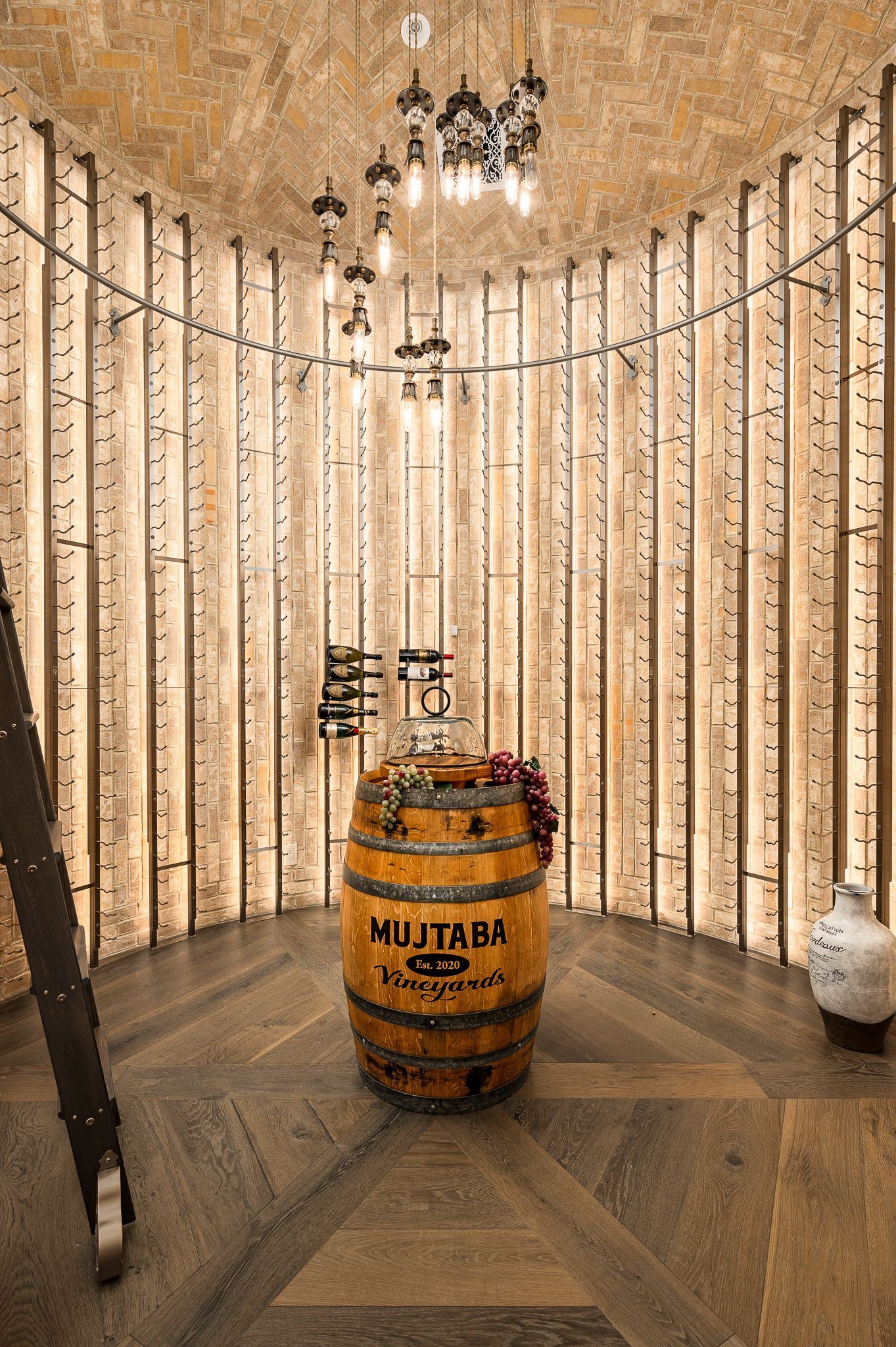
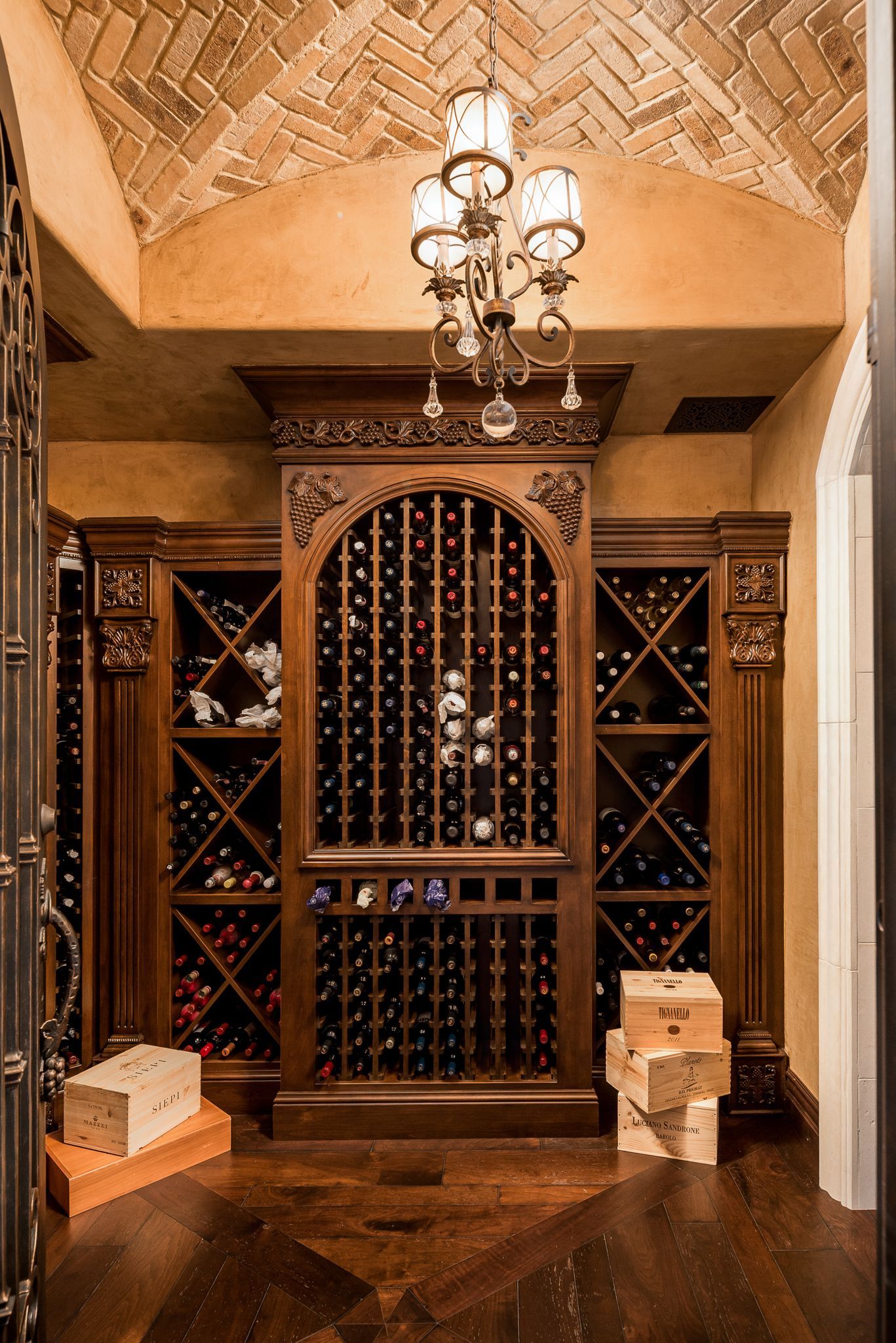
- Precision-Cut Natural Stone: Reclaimed brick and masonry are used to create stunning groin-vaulted ceilings that naturally retain the room's cool climate.
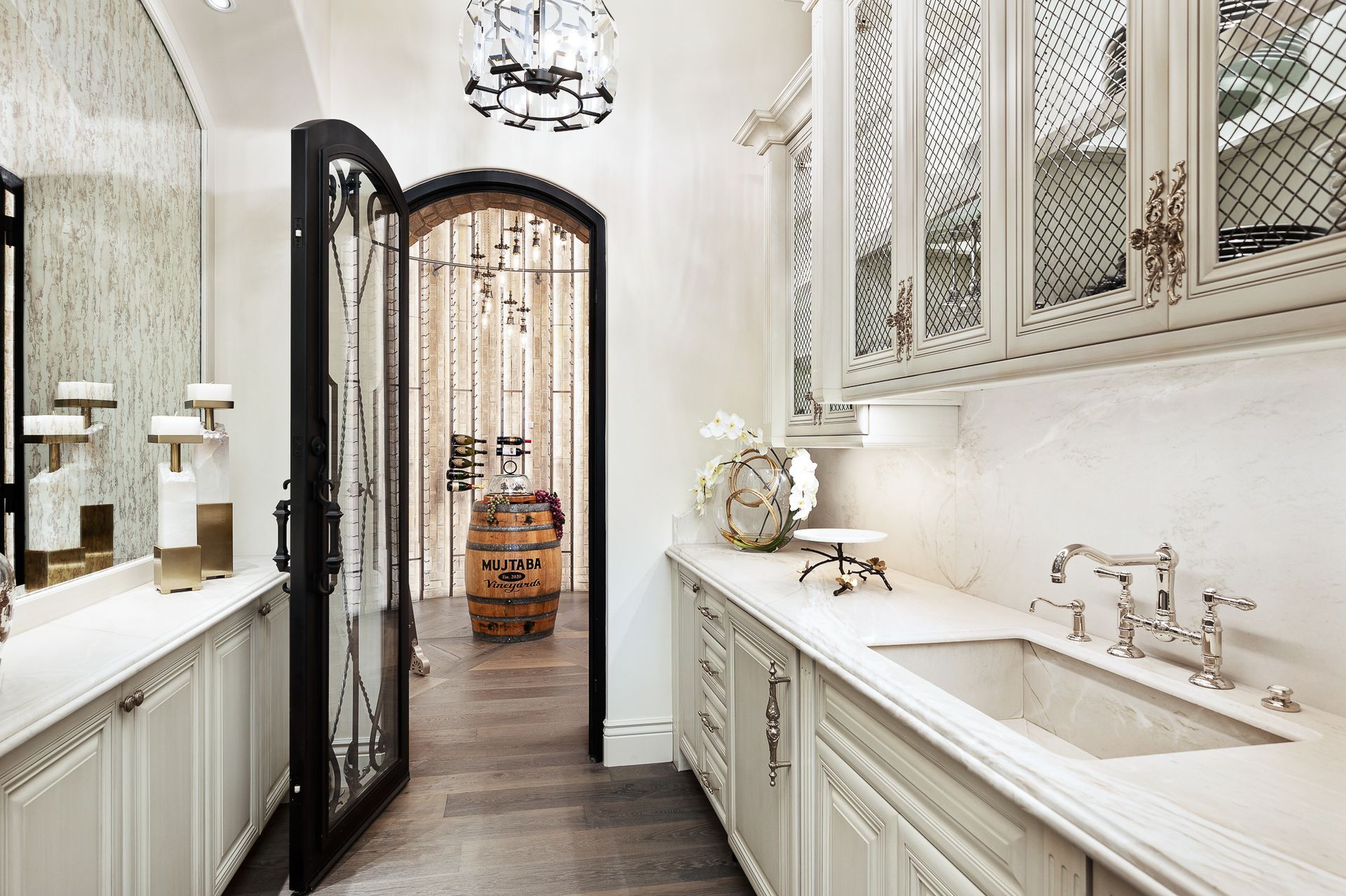
- Custom Wrought Iron: Massive, bespoke iron and glass doors create a dramatic reveal while utilizing weather-stripping to form an airtight seal.
- Un-Stained Hardwoods: Racking systems are custom-milled from moisture-resistant woods like mahogany or white oak to prevent off-gassing that could taint the corks.
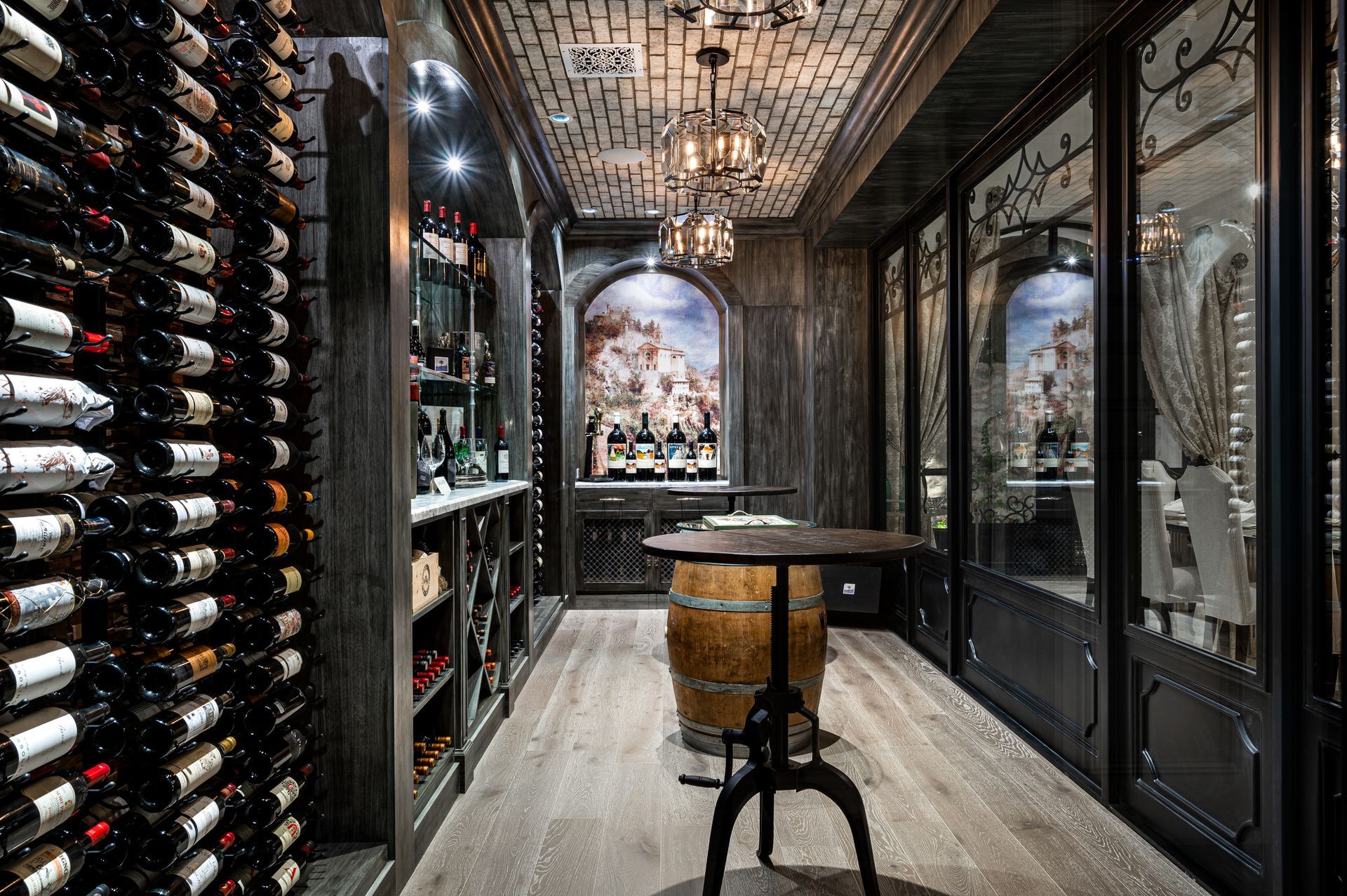
The Art of Protective Illumination
Lighting a wine cellar is an incredibly delicate art. Standard lighting emits heat and ultraviolet rays, both of which will prematurely age and permanently ruin fine wine. The lighting design must be as protective as it is beautiful.
Instead of washing the room in harsh overhead light, we use illumination to create drama and structural depth:
- UV-Free LED Systems: We exclusively specify low-heat, UV-free lighting to protect the integrity of the collection.
- Architectural Highlighting: Hidden LED ribbons backlight onyx display walls, while focused spotlights highlight rare vintages.
- Smart-Home Integration: The entire system is hardwired to a dimming panel, allowing the host to shift the mood instantly from a bright working cellar to an intimate tasting lounge.
Designing the Experiential Tasting Lounge
A true luxury wine cellar is designed for hospitality. Rather than simply walking in to grab a bottle and leaving, the space should intuitively invite you and your guests to linger.
We expand the footprint of the traditional cellar to seamlessly integrate a luxury tasting lounge featuring:
- Custom Wet Bars: Complete with imported marble countertops and integrated dish drawers for polishing fine crystal stemware.
- Built-in Humidors: Architecturally integrated cigar storage for seamless pairings.
- Plush Lounge Seating: Leather or velvet-upholstered seating and a heavy, custom-carved tasting table ensure the environment is just as luxurious as the home's primary dining room.
Your Custom Wine Estate
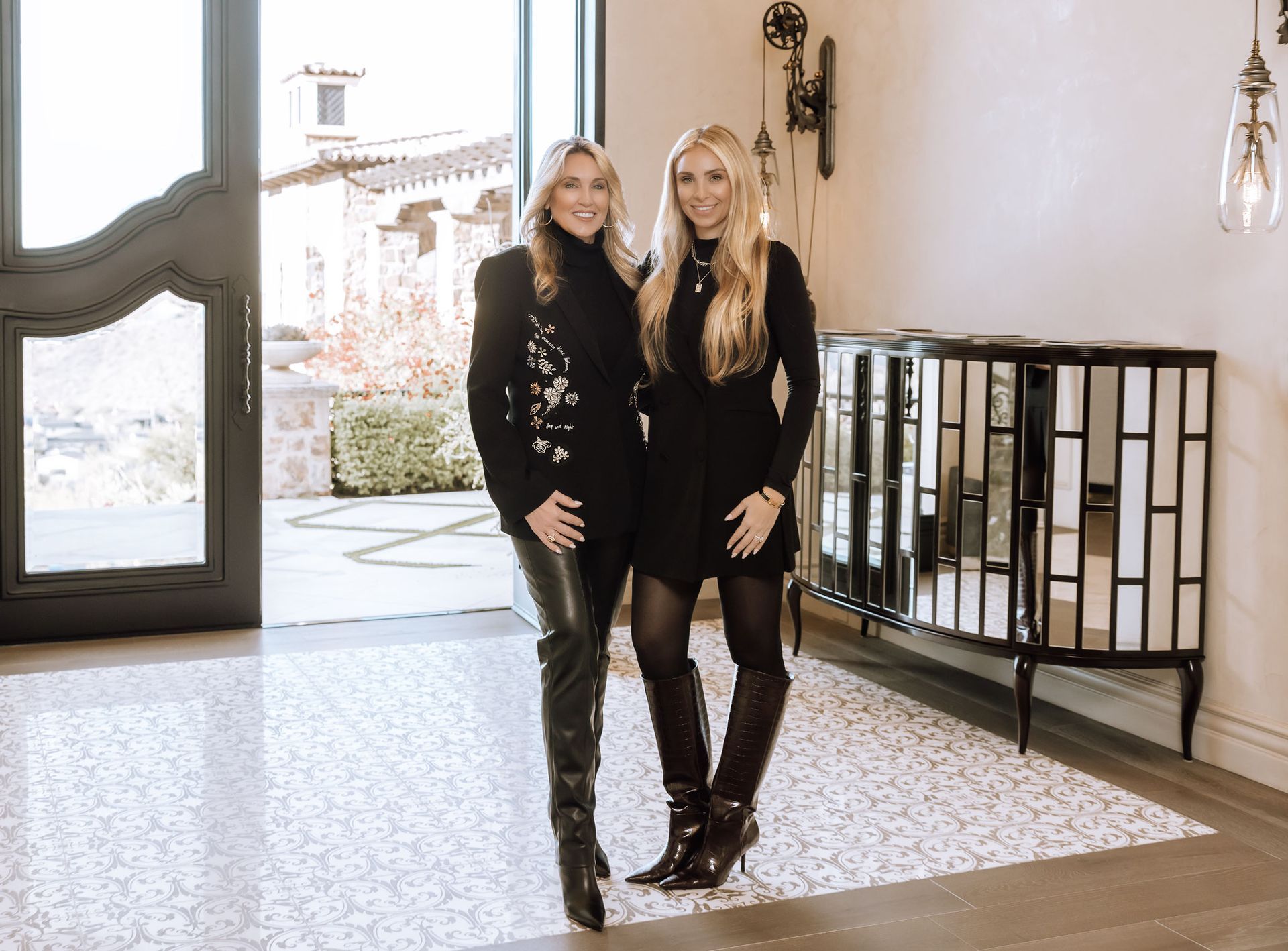
Designing a world-class wine cellar requires an elite team that understands the strict demands of climate engineering and the nuances of high-end interior design. Because our clients have access to the deeply integrated expertise of Fratantoni Interior Designers, Fratantoni Design , and Fratantoni Luxury Estates , we ensure your collection is housed in a space that is structurally flawless and visually breathtaking.
Based in Scottsdale and Paradise Valley, we execute white-glove luxury design projects for high-net-worth clients nationwide. If you are preparing to build a custom estate, contact us today to begin drafting the architectural plans for your bespoke tasting room before construction begins.
Contact Us
Frequently Asked Questions
Can I add a luxury wine cellar to my home after it is built?
While a small, self-contained wine refrigeration unit can be retrofitted, a true walk-in luxury wine cellar should always be planned during the architectural blueprint phase. Proper cellars require specialized framing, heavy insulation, vapor barriers, and dedicated HVAC systems that are highly invasive and expensive to install after the drywall is up.
What kind of lighting is safe for a custom wine cellar?
Only low-heat, UV-free LED lighting should be used inside a wine cellar. Ultraviolet light and heat from traditional incandescent or halogen bulbs will prematurely age and permanently degrade fine wine.
What materials are best for luxury wine cellar interior design?
The best materials are those that handle humidity perfectly and do not off-gas odors that could taint the corks. Natural stone, reclaimed brick, custom wrought iron, and un-stained hardwoods like mahogany, redwood, or white oak are the premier choices for world-class cellar design.