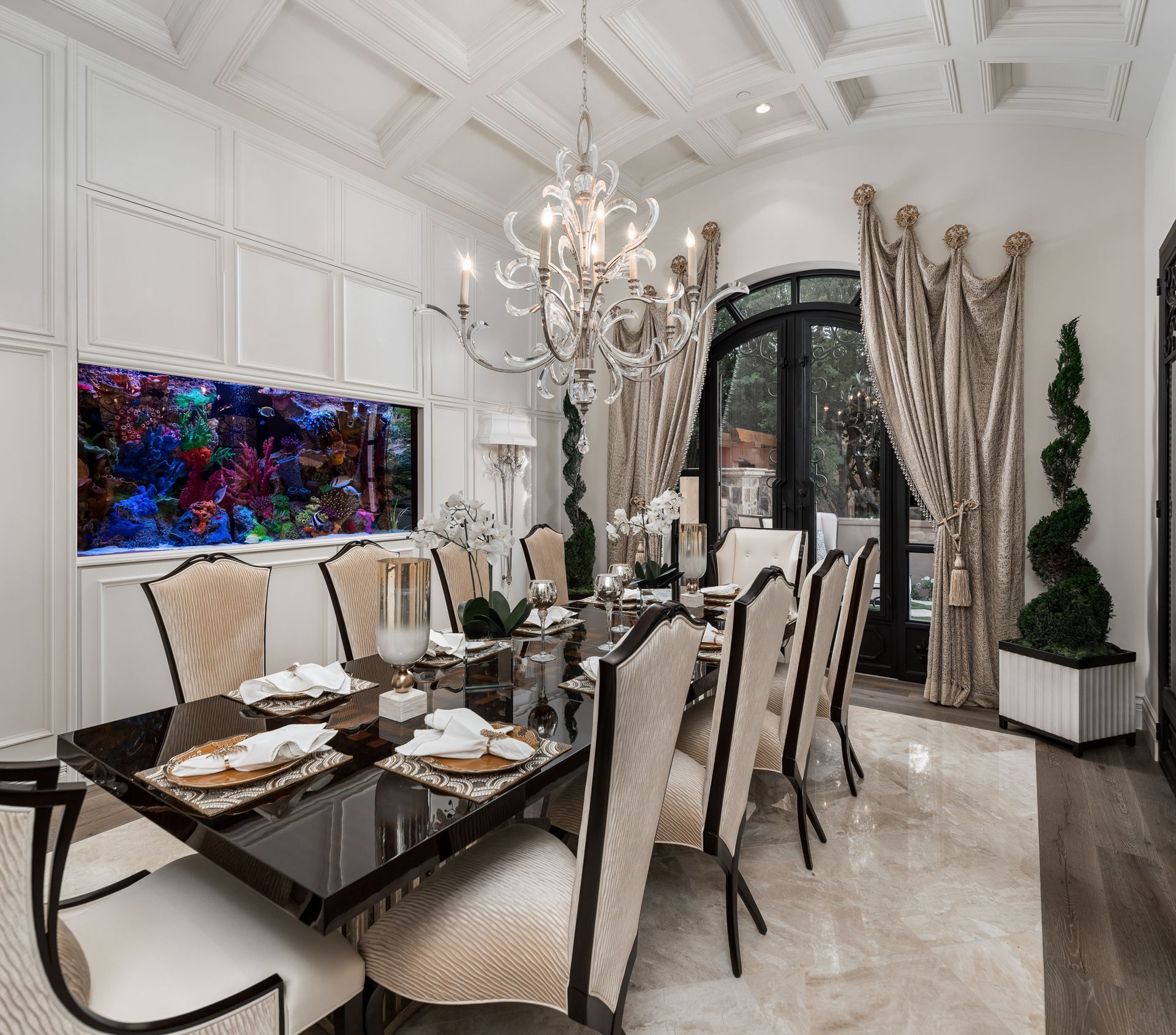

Why Interior Design Should Begin at the Architectural Planning Stage

When most people think about interior design, they imagine furniture, finishes, and final styling. In reality, the most successful luxury interiors are shaped long before any of those decisions are made.
For custom homes and high-end renovations, interior design should begin at the architectural planning stage, not after construction documents are complete. When interior designers are involved early, they help shape the very framework of how a home functions, feels, and lives for decades to come.
This early collaboration is one of the most overlooked advantages in luxury home design, and one that discerning homeowners increasingly prioritize.
Interior Design Is Not Decoration. It Is Strategic Planning.
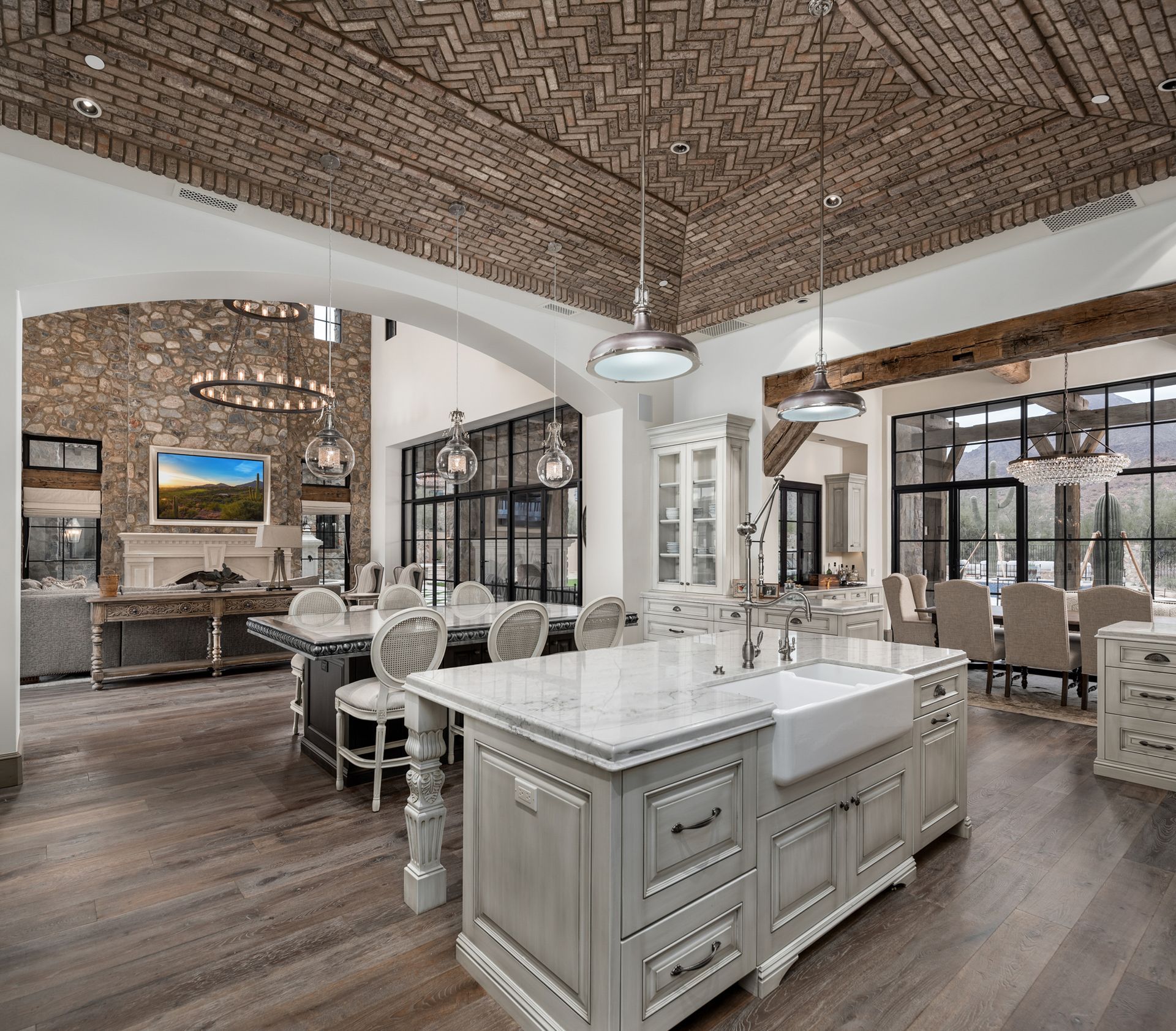
In luxury homes, interior design is deeply intertwined with architecture and construction. Decisions about room proportions, ceiling heights, window placement, circulation paths, and structural layouts all directly impact the interior experience.
When an interior designer joins the project after architectural plans are finalized, they are often forced to work within limitations that could have been resolved earlier. When they are involved from the start, they help guide decisions that ensure the home feels cohesive, intentional, and balanced from the inside out.
Early interior design involvement allows for:
- Better spatial flow and functionality
- Proper scale of architectural elements
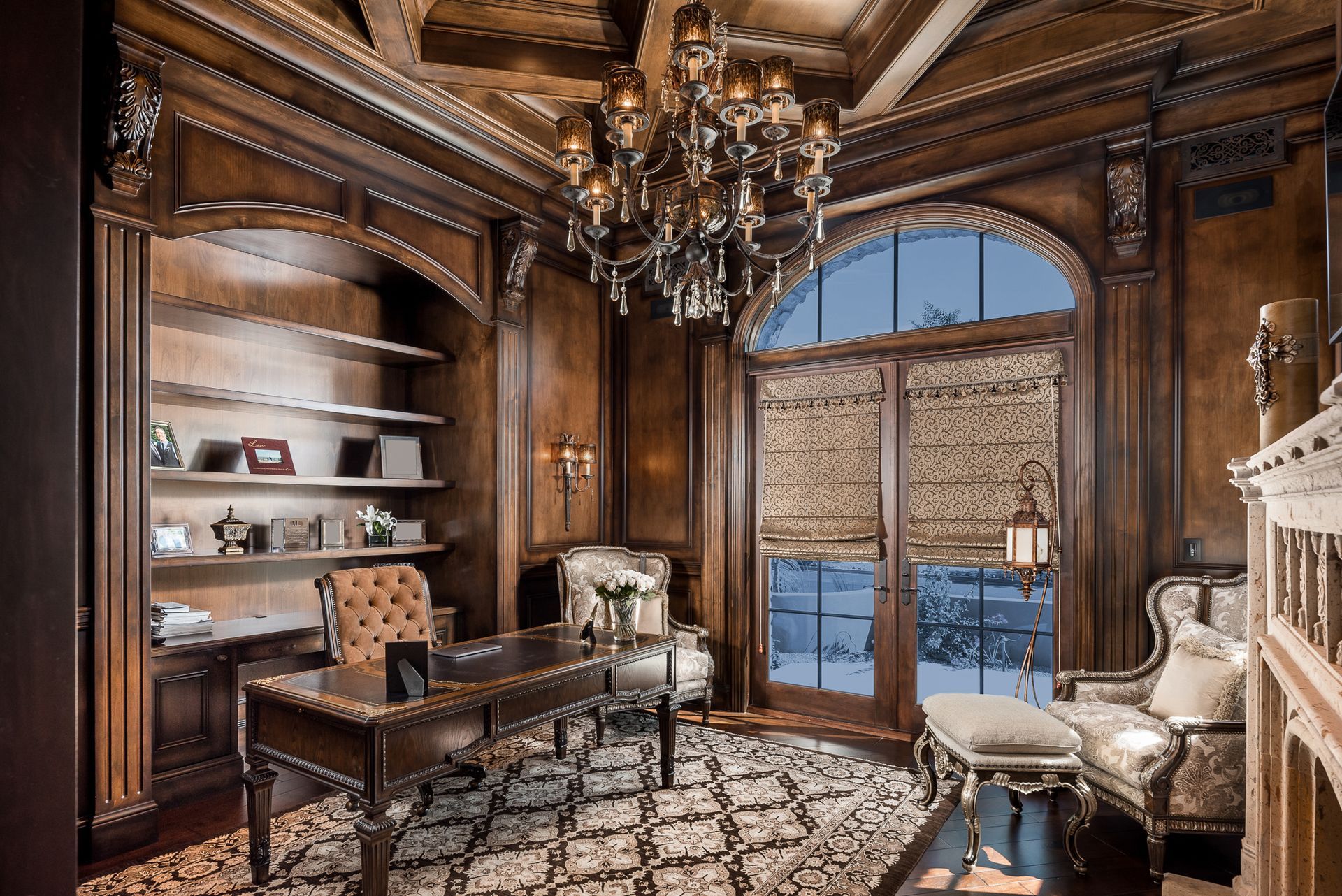
- Seamless integration of custom millwork and built-ins
- Thoughtful lighting and electrical planning
- Long-term livability rather than short-term solutions
This level of planning elevates the entire home.
Architecture Sets the Structure. Interior Design Shapes the Experience.
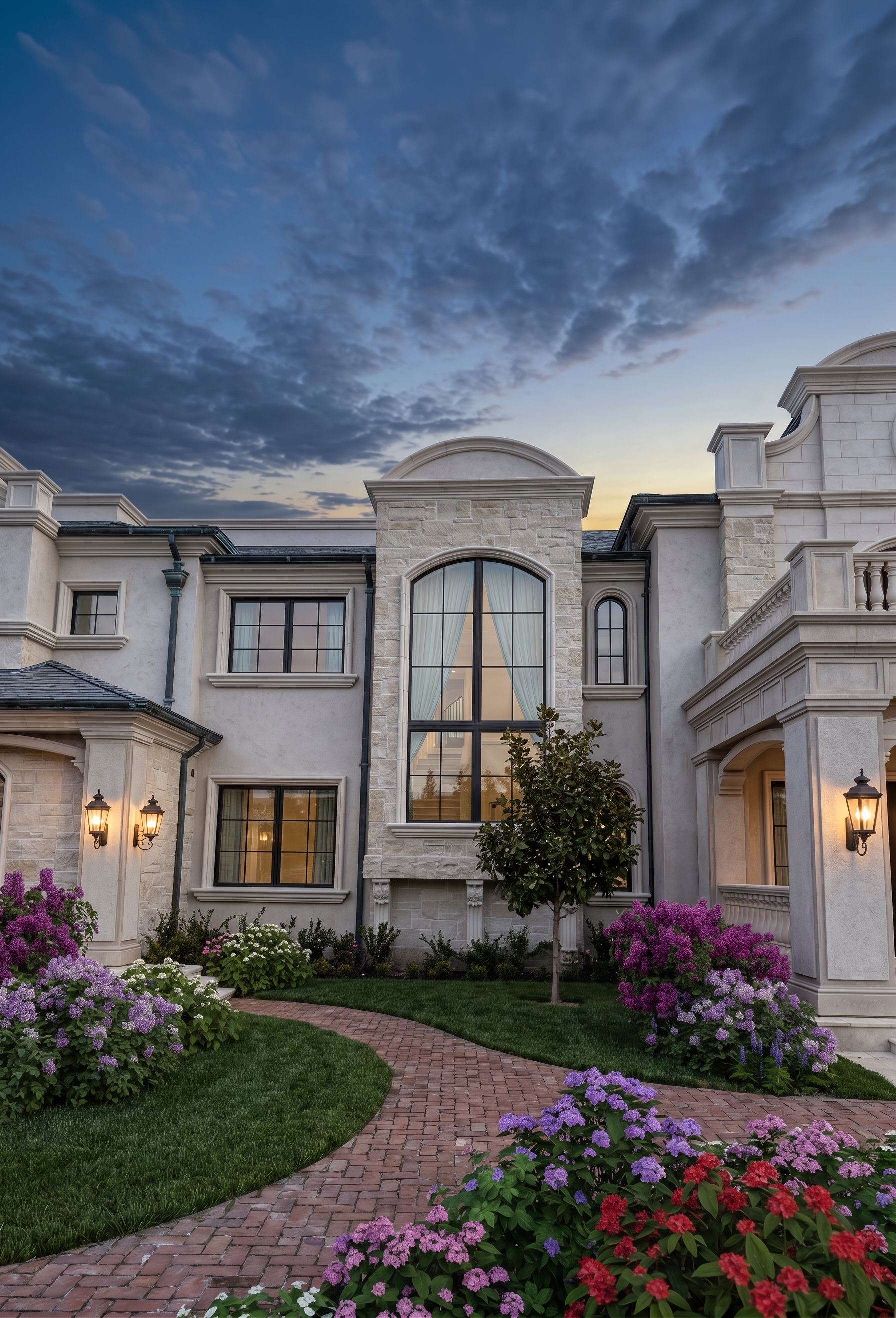
Architecture defines form. Interior design defines how that form is lived in every day.
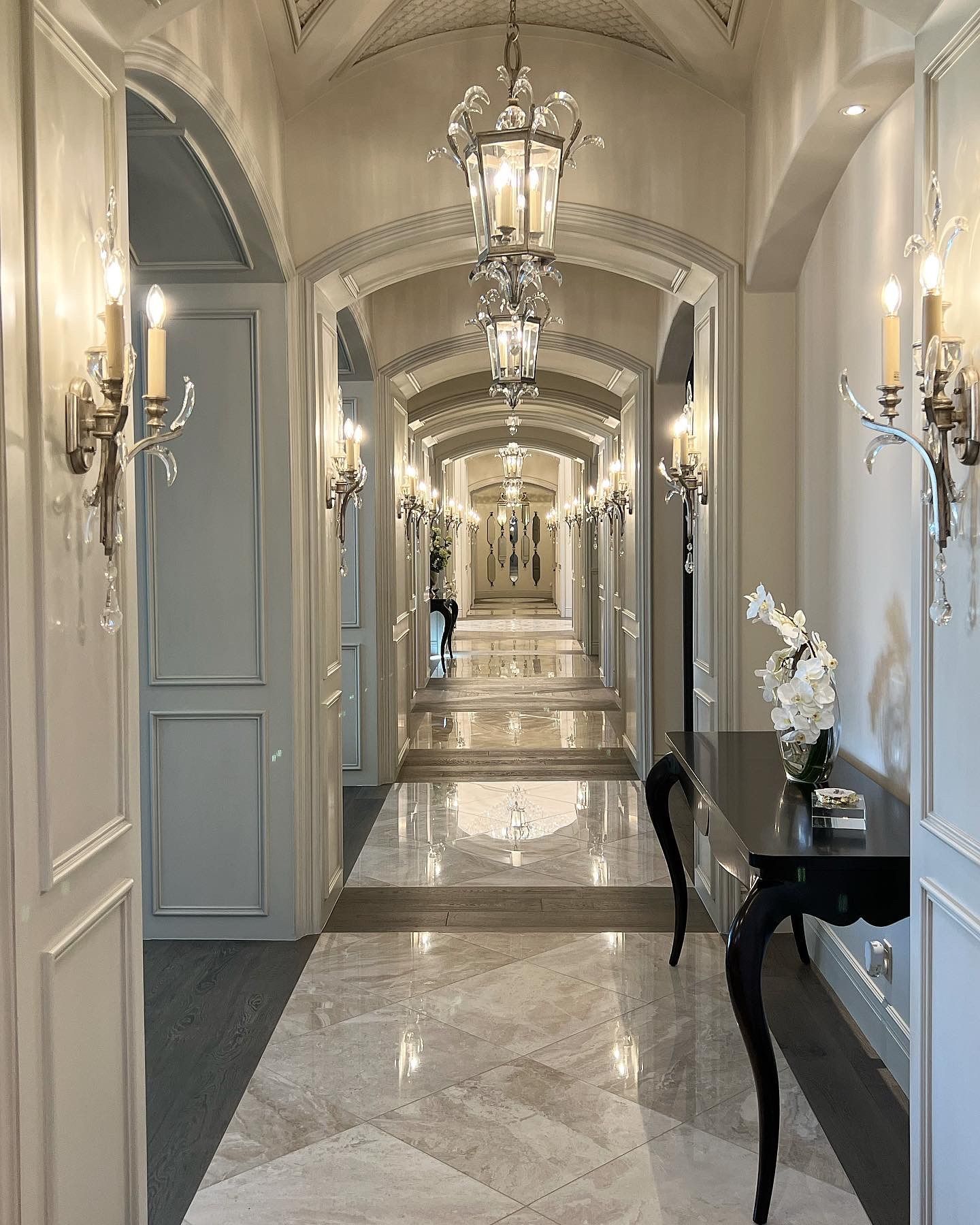
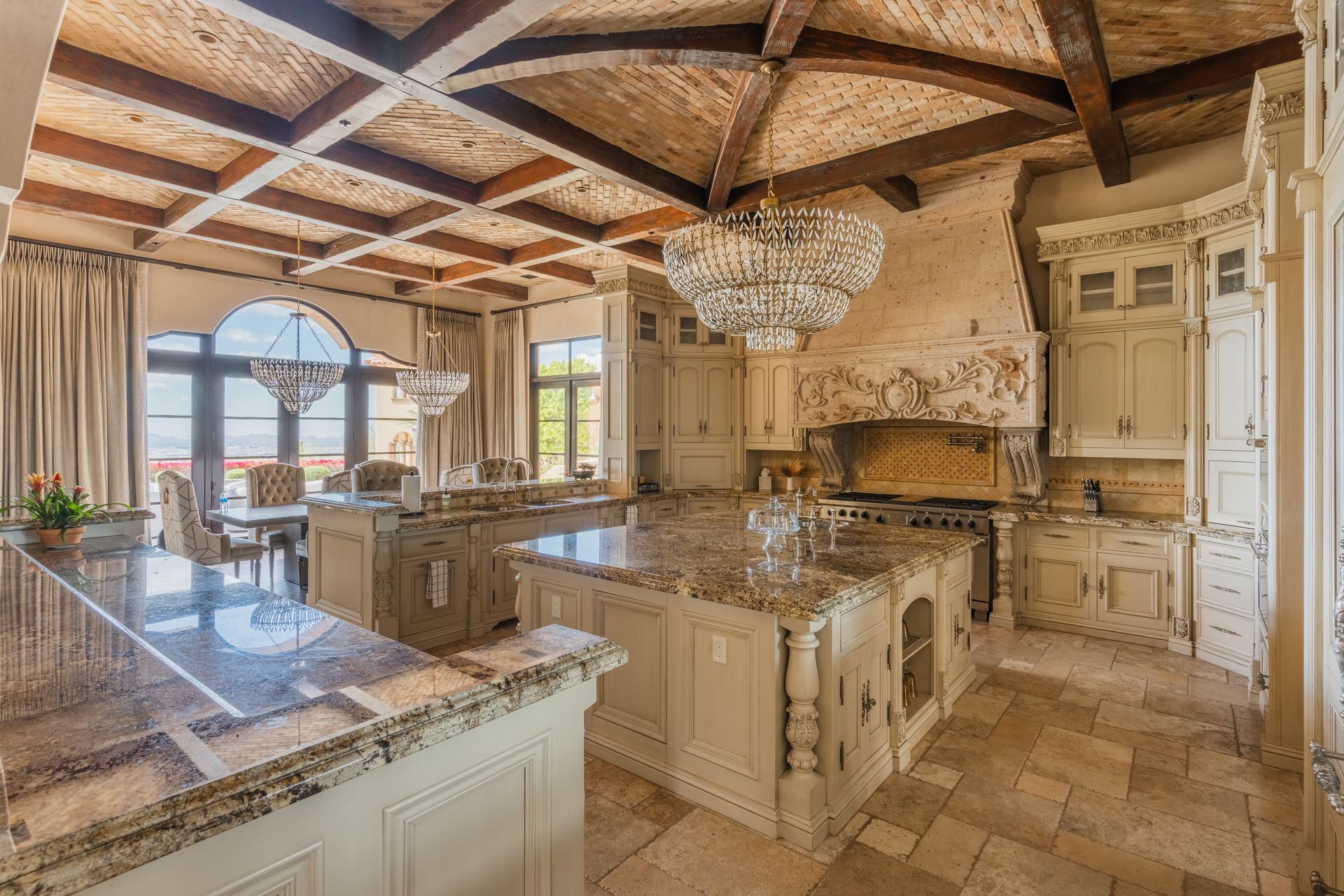
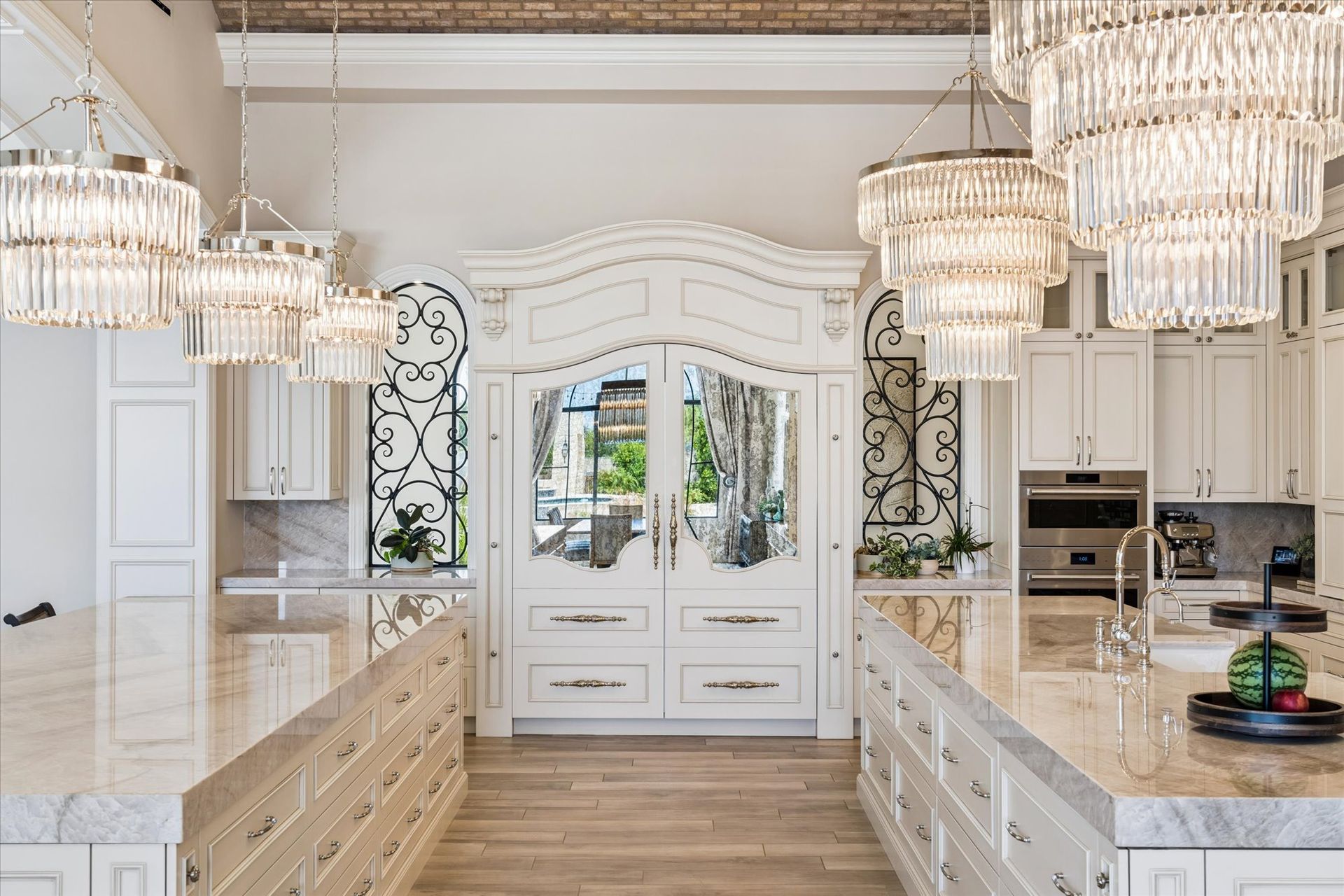
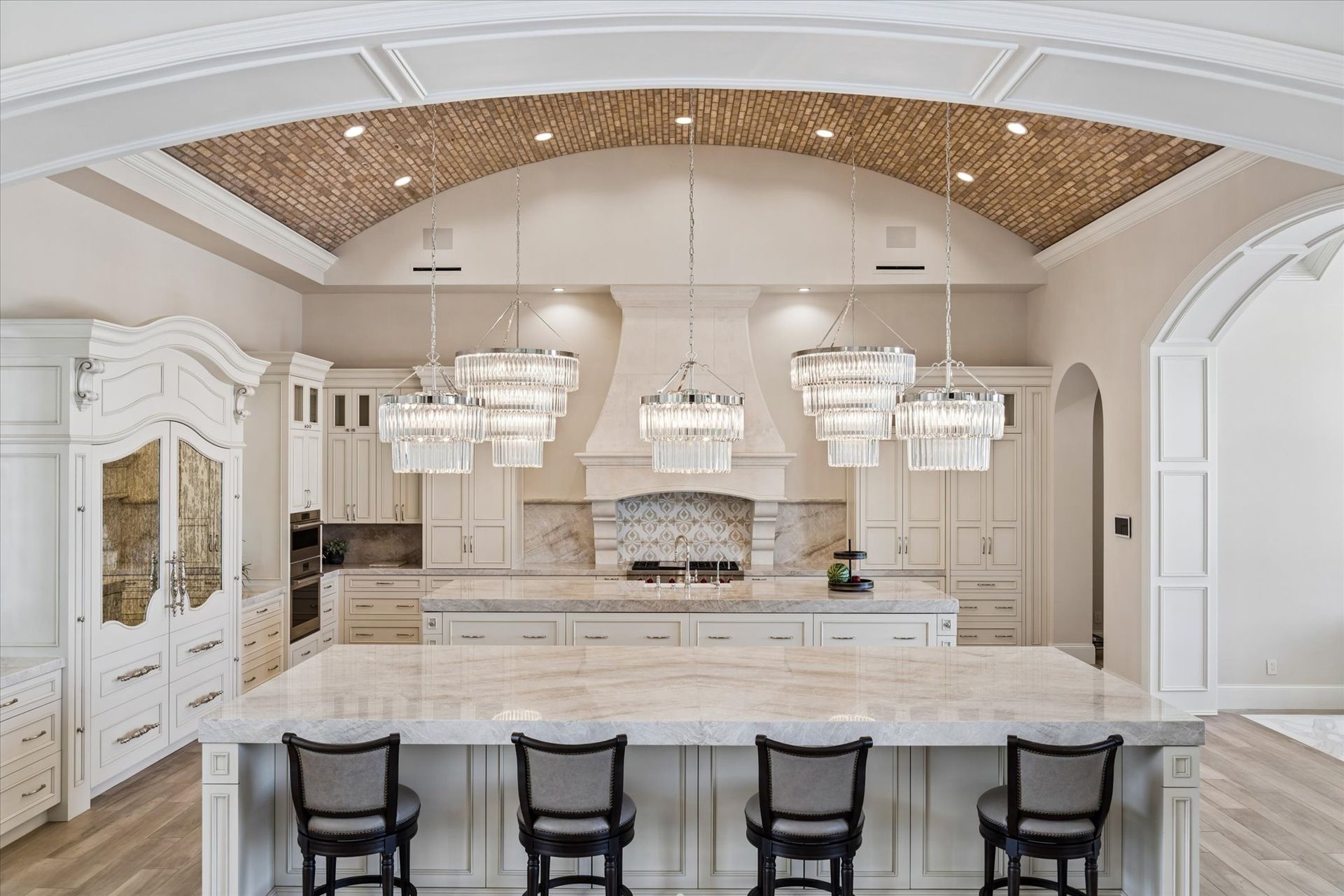
Without early interior design input, architectural plans may technically work but fail to support how the homeowner actually lives. Kitchens may lack proper storage planning. Primary suites may feel oversized yet inefficient. Circulation paths may look elegant on paper but feel awkward in practice.
Interior designers trained in architecture and construction understand how these decisions play out in real life. Their perspective helps refine layouts, adjacencies, and proportions so that beauty and functionality are aligned from the beginning.

Early Interior Design Prevents Costly Changes Later
One of the most tangible benefits of involving an interior designer early is cost control.
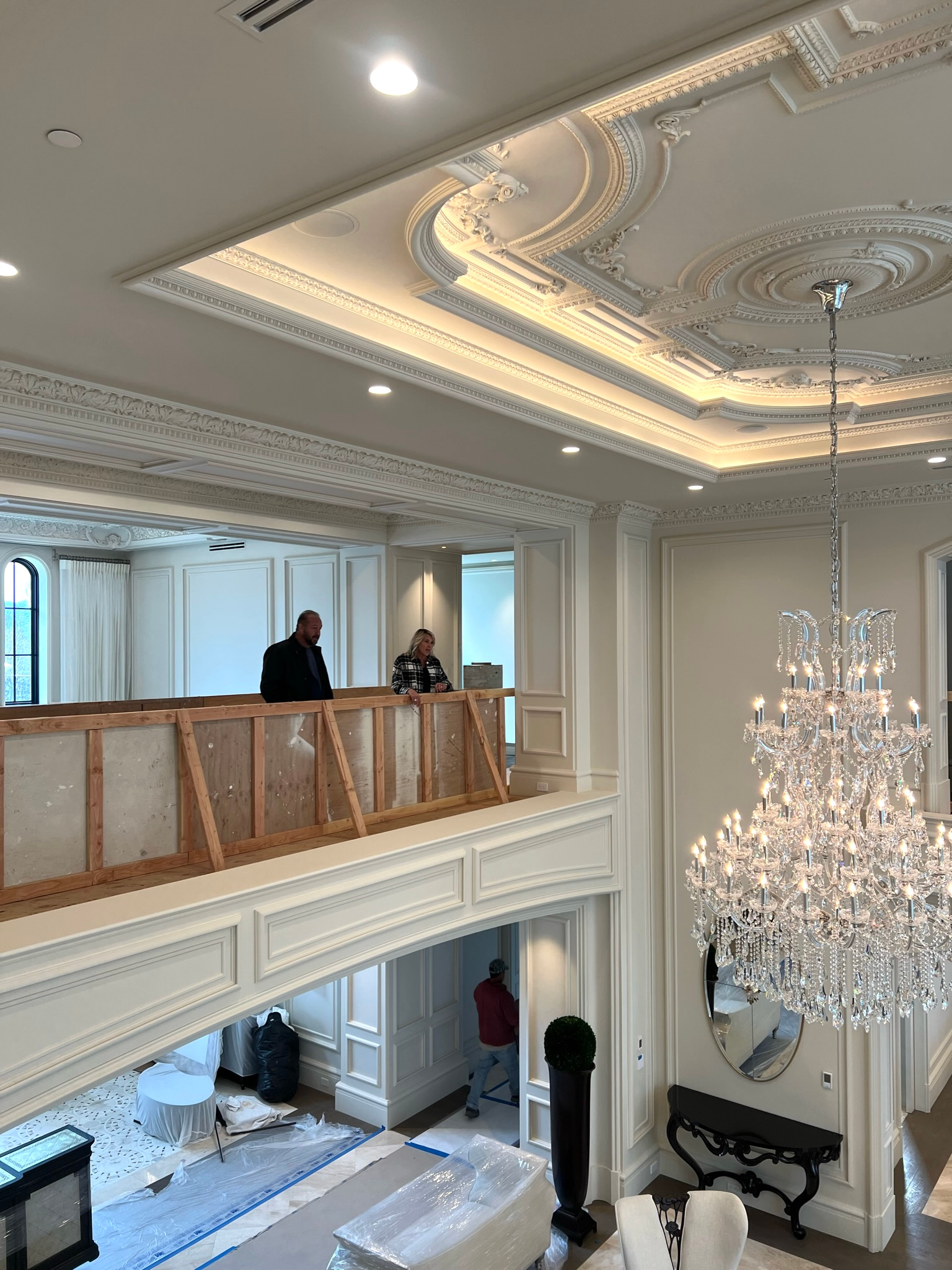
Late-stage design changes are among the most expensive adjustments in luxury construction. Moving walls, reworking ceiling details, adjusting lighting layouts, or modifying millwork after plans are finalized can significantly impact both budget and timeline.
Early collaboration allows:
- Materials and finishes to be planned alongside structural decisions
- Electrical and lighting plans to be resolved before rough-in
- Custom elements to be designed intentionally rather than retrofitted
- Fewer revisions during construction
This proactive approach protects both the design vision and the overall investment.
The Importance of Construction Knowledge in Interior Design
Not all interior designers are trained to think structurally. In luxury homes, this distinction matters.
Interior designers with a deep understanding of architecture and construction can:
- Design millwork that aligns with framing and structure
- Coordinate ceiling details with mechanical systems
- Anticipate how materials will perform over time
- Collaborate fluently with architects and builders
This level of expertise ensures that design intent translates accurately from concept to construction.
At Fratantoni Interior Designers, our team works closely with architects and builders throughout the planning process. This integrated approach allows interior decisions to support architectural integrity rather than compete with it.
Why Luxury Homes Demand Early Interior Design Involvement
Luxury homes are inherently complex. They often include:
- Custom cabinetry and built-ins
- Specialty lighting and layered illumination
- High-end materials requiring specific detailing
- Large scale spaces that demand careful proportion
These elements cannot be successfully layered in after the fact. They must be planned in concert with architecture and construction from the earliest stages.
When interior design begins early, the home feels cohesive rather than assembled. Each space flows naturally into the next. Every detail feels intentional.

A More Refined Building Experience
Early interior design involvement also improves the overall experience for the homeowner.
Instead of reacting to issues as they arise, the process becomes organized, collaborative, and forward-thinking. Decisions are made with clarity. Communication is streamlined. Expectations are aligned across the entire team.
This level of coordination is especially valuable for clients building custom homes, legacy estates, or multi-year projects where long-term satisfaction matters just as much as the final reveal.
Final Thoughts
Interior design is not a finishing touch. It is a foundational part of creating a luxury home that feels thoughtful, functional, and enduring.
When interior designers are involved at the architectural planning stage, the result is not just a more beautiful home, but a better one. Fewer compromises. Greater clarity. And a living environment designed intentionally from the inside out.
For homeowners planning a custom home or major renovation, the most successful projects begin with the right team, aligned from the very start. Connect with Fratantoni Interior Designers early in the process to ensure your architecture, construction, and interiors are thoughtfully aligned from the very beginning.
Contact Us